About Us

We craft customized professional metal packaging solutions for you.

Zhejiang Jinma Packing Materials Co., Ltd., founded in 1993, has over 30 years of expertise in metal packaging. The company is a benchmark with deep accumulation and leading strength in the industry. It is headquartered in the Hangzhou Bay National Industrial Park in Zhejiang. The company owns clean workshops of 40,000 square meters and 30+ high-end production lines, capable of meeting diverse metal packaging requirements. Adjacent to Shanghai Port and Ningbo Port-- two major ports in southeast China, the company enjoys a convenient logistics network with global reach.
  • 0-square-meter

    Clean Workshops

  • 0-ton-plus

    Metal Sheet Annual Processing Capacity

  • 0+

    Professional Production Lines

  • 0-year-plus

    Industry Experience

Learn More

Zhejiang Jinma Packing Materials Co., Ltd.

Zhejiang Jinma Packing Materials Co., Ltd.
Product Solutions
We provide you with professional technical support and services.
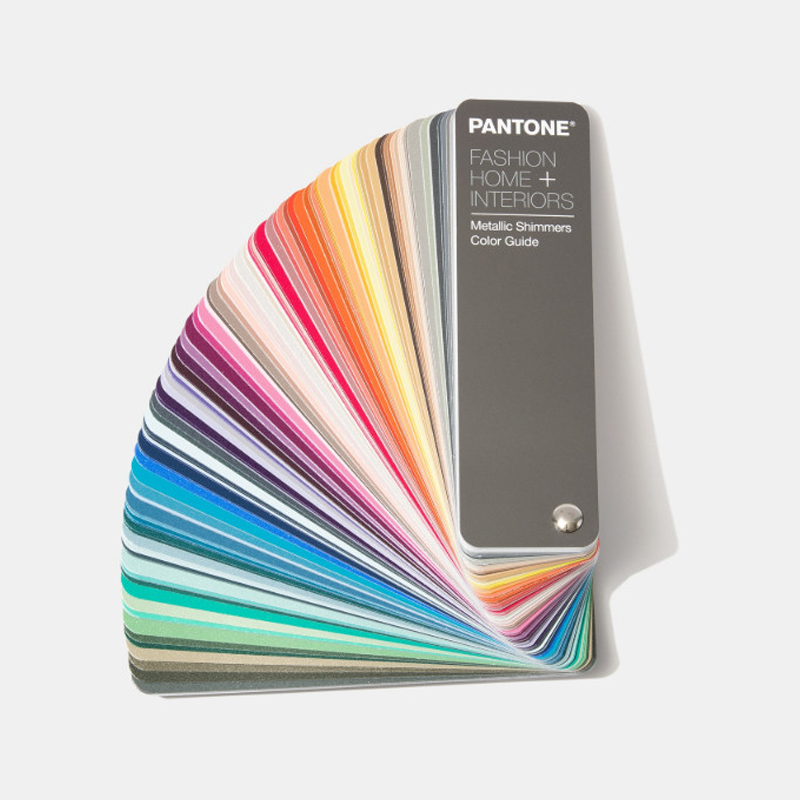
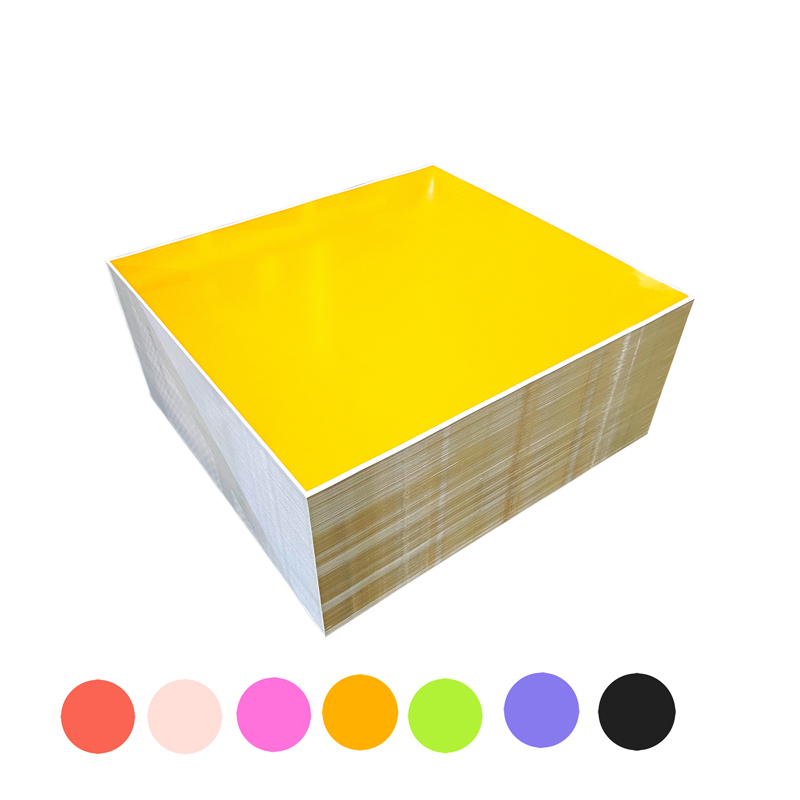
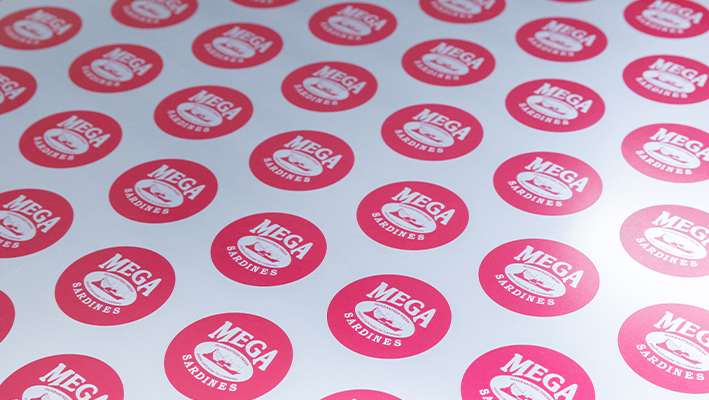
  • The internal coating of packaging materials reduces mechanical damage to material surfaces and prevents corrosion on the inner side caused by contents. The external coating and printing protect the outer surfaces from environmental corrosion. Meanwhile, customized colors and patterns greatly enhance product recognition.
    Products
    Coating
    See More

    Zhejiang Jinma Packing Materials Co., Ltd.

  • From raw materials to finished products, we deliver competitive pricing, high-quality products and professional services. Our end products are widely applied in food packaging, industrial manufacturing, construction, electronics and other fields.

    Trading
    Slitting
    See more

    Zhejiang Jinma Packing Materials Co., Ltd.

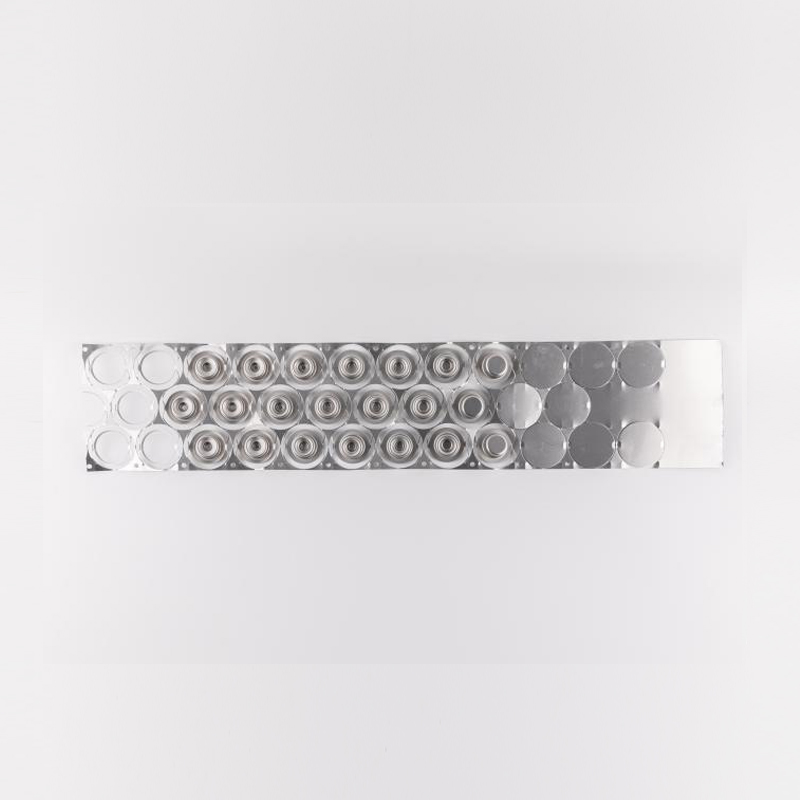
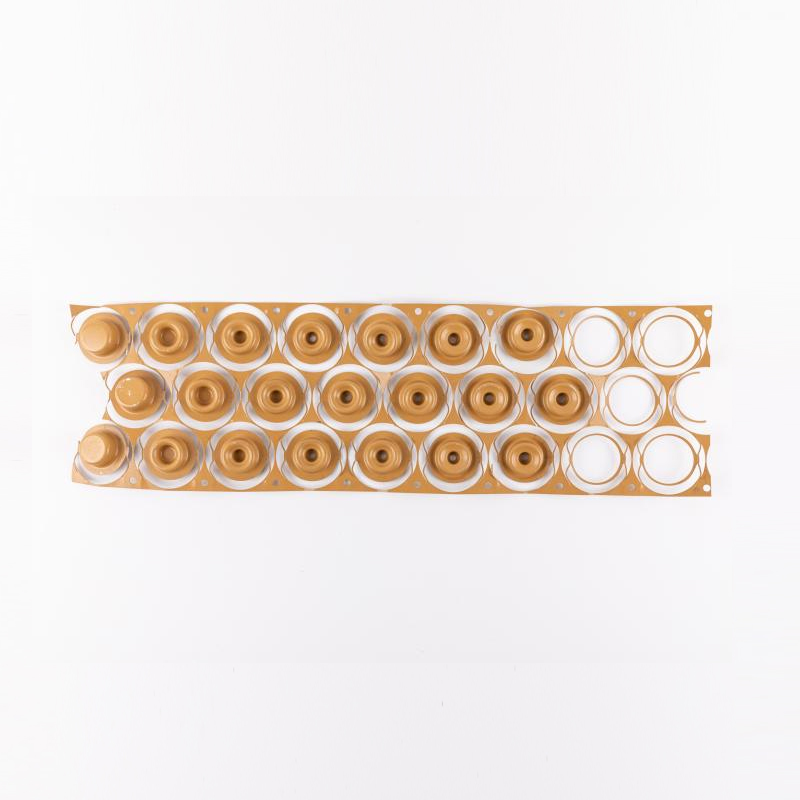
  • Technical Features   Galvanized narrow strip is a specialized material produced by applying a zinc coating to the surface of cold-rolled narrow strip steel through continuous electroplating or hot-dip galvanizing. When used as ring tab stock, the material must meet stringent performance requirements.   This material requires precise thickness control and uniform coating distribution to ensure stability during high-speed production and reliable opening performance in end-use applications.   Depending on the production process, galvanized narrow strip can generally be divided into two major categories: electrogalvanized strip and hot-dip galvanized strip. For ring tab applications, electrogalvanized products are more commonly used because they provide a smoother and more uniform surface, meeting the high surface-quality requirements of metal packaging components.   In ring tab applications, galvanized narrow strip must not only ensure convenient and safe opening performance, but also support packaging integrity and food safety. Therefore, its technical requirements are much higher than those of ordinary galvanized products.   Process Requirements   The production of galvanized narrow strip for ring tab stock is a systematic process that integrates precision metallurgy, automated control, and advanced manufacturing technology. Thickness accuracy, coating uniformity, and surface quality are the three key indicators used to evaluate product performance.   Thickness control is fundamental to ensuring the stamping and forming quality of ring tab stock. Through precise rolling processes and parameter control, manufacturers keep thickness deviation within a very narrow range, reflecting the industry’s strict requirements for dimensional accuracy.   Coating uniformity is equally critical. By adopting advanced air-knife technology and automatic control systems, manufacturers can ensure highly consistent zinc coating distribution. A uniform coating is essential for improving corrosion resistance and maintaining the surface quality of ring tabs.   Surface quality is another core requirement for ring tab stock. Even minor surface defects may affect the appearance and performance of the final ring tab. By optimizing the pretreatment process, manufacturers ensure a clean material surface and create favorable conditions for subsequent processing.  
  • As a pioneer in metal packaging, Zhejiang Jinma Packing Materials Co., Ltd. has been deeply engaged in the industry for 30+ years. We keep pace with cutting-edge industry trends and refine every detail in production. Driven by continuous innovation, we promote technological upgrading in the industry and are committed to delivering superior metal packaging solutions to customers worldwide.  From raw materials to end products, Jinma Packing provides professional product development services. Leveraging our rich expertise and high quality standards, we promote continuous optimization of market offerings, create greater value, and maintain stable cooperative relations with customers at home and abroad.  Looking ahead, Jinma Packing will continue to focus on metal packaging, enhance R&D and innovation, strengthen technical capabilities, and improve product system integration and competitive advantages. We will strive to consolidate our leading position in the domestic market while actively exploring overseas business opportunities. With a forward-looking vision, we will expand our global footprint, provide customers with safer, higher-quality and fully standard-compliant packaging solutions, and achieve the long-term vision of sustainable corporate development.
  • In today’s industrial environment, where high performance and sustainable development are increasingly emphasized, coated tinplate is attracting growing attention across the industry. By applying an extremely thin, dense organic coating to traditional tinplate, this material combines the mechanical strength of a metal substrate with the protective performance of an organic barrier, providing an effective solution to corrosion, contamination, and shelf-life challenges in multiple industries.   Technological Breakthrough: From Single Protection to Dual Protection   Traditional tinplate has been widely used in packaging containers such as food cans, beverage cans, and aerosol cans for decades due to its good sealing performance, mechanical strength, and recyclability. However, protection provided by a single tin layer may be insufficient when exposed for long periods to acidic foods, high-salt contents, or specific chemicals.   The core technology of coated tinplate lies in its dual-protection structure:   Base Layer: The electroplated tin layer provides fundamental sacrificial anodic protection, excellent weldability, and a metallic appearance.   Surface Layer: Special organic coatings, such as epoxy or polyester coatings, form a dense physical barrier that effectively blocks direct contact between the contents and the metal substrate.   This structural innovation significantly improves the overall performance of the material.   Core Advantages Address Key Industry Challenges   The widespread application of coated tinplate is driven by its clear advantages over traditional materials.   Outstanding Corrosion Resistance: The barrier effect of the organic coating greatly improves the material’s resistance to sulfur, acid, and salt. It can effectively prevent can corrosion, content deterioration, and metal ion migration. This makes it especially suitable for products such as seafood, tomato paste, and highly acidic fruits, helping extend product shelf life.   Food Safety and Flavor Preservation: The coating materials typically comply with strict international food safety standards, such as FDA and EFSA requirements. They are non-toxic and odorless, help preserve the original flavor of the contents, and reduce the risk of metallic taste migration that may occur with traditional packaging.   Excellent Processability and Decorative Performance: High-performance coatings adhere firmly to the substrate and are less likely to crack during stamping, flanging, and seaming processes, helping maintain packaging integrity. At the same time, the smooth surface provides an ideal base for high-quality printing, supporting better brand presentation.   Aligned with Green and Environmental Protection Trends: Improved protection may allow thinner coatings or substrates to be used in certain applications, helping reduce material consumption. Meanwhile, the inherent recyclability of metal materials is retained, which aligns with the principles of a circular economy.   Broad Application Prospects Drive Industrial Upgrading   As coated tinplate technology continues to mature, its application scope has expanded rapidly from high-end food cans to pet food packaging, dry food cans, electronic component housings, battery housings, and industrial product packaging.   “Coated tinplate is an intelligent application of materials science,” said an industry analyst. “It does not completely replace traditional tinplate. Instead, it strengthens and expands tinplate’s functions, precisely meeting the higher material requirements created by consumption upgrading and industrial progress. We expect the market penetration of this material to continue increasing in the coming years.”   With continuous process optimization and further improvement in cost-effectiveness, coated tinplate is expected to become a standard material in high-end metal packaging and precision protection applications, bringing strong momentum to the innovative development of upstream and downstream industrial chains.
  • Technical Features   Galvanized narrow strip is a specialized material produced by applying a zinc coating to the surface of cold-rolled narrow strip steel through continuous electroplating or hot-dip galvanizing. When used as ring tab stock, the material must meet stringent performance requirements.   This material requires precise thickness control and uniform coating distribution to ensure stability during high-speed production and reliable opening performance in end-use applications.   Depending on the production process, galvanized narrow strip can generally be divided into two major categories: electrogalvanized strip and hot-dip galvanized strip. For ring tab applications, electrogalvanized products are more commonly used because they provide a smoother and more uniform surface, meeting the high surface-quality requirements of metal packaging components.   In ring tab applications, galvanized narrow strip must not only ensure convenient and safe opening performance, but also support packaging integrity and food safety. Therefore, its technical requirements are much higher than those of ordinary galvanized products.   Process Requirements   The production of galvanized narrow strip for ring tab stock is a systematic process that integrates precision metallurgy, automated control, and advanced manufacturing technology. Thickness accuracy, coating uniformity, and surface quality are the three key indicators used to evaluate product performance.   Thickness control is fundamental to ensuring the stamping and forming quality of ring tab stock. Through precise rolling processes and parameter control, manufacturers keep thickness deviation within a very narrow range, reflecting the industry’s strict requirements for dimensional accuracy.   Coating uniformity is equally critical. By adopting advanced air-knife technology and automatic control systems, manufacturers can ensure highly consistent zinc coating distribution. A uniform coating is essential for improving corrosion resistance and maintaining the surface quality of ring tabs.   Surface quality is another core requirement for ring tab stock. Even minor surface defects may affect the appearance and performance of the final ring tab. By optimizing the pretreatment process, manufacturers ensure a clean material surface and create favorable conditions for subsequent processing.  
  • In today’s industrial environment, where high performance and sustainable development are increasingly emphasized, coated tinplate is attracting growing attention across the industry. By applying an extremely thin, dense organic coating to traditional tinplate, this material combines the mechanical strength of a metal substrate with the protective performance of an organic barrier, providing an effective solution to corrosion, contamination, and shelf-life challenges in multiple industries.   Technological Breakthrough: From Single Protection to Dual Protection   Traditional tinplate has been widely used in packaging containers such as food cans, beverage cans, and aerosol cans for decades due to its good sealing performance, mechanical strength, and recyclability. However, protection provided by a single tin layer may be insufficient when exposed for long periods to acidic foods, high-salt contents, or specific chemicals.   The core technology of coated tinplate lies in its dual-protection structure:   Base Layer: The electroplated tin layer provides fundamental sacrificial anodic protection, excellent weldability, and a metallic appearance.   Surface Layer: Special organic coatings, such as epoxy or polyester coatings, form a dense physical barrier that effectively blocks direct contact between the contents and the metal substrate.   This structural innovation significantly improves the overall performance of the material.   Core Advantages Address Key Industry Challenges   The widespread application of coated tinplate is driven by its clear advantages over traditional materials.   Outstanding Corrosion Resistance: The barrier effect of the organic coating greatly improves the material’s resistance to sulfur, acid, and salt. It can effectively prevent can corrosion, content deterioration, and metal ion migration. This makes it especially suitable for products such as seafood, tomato paste, and highly acidic fruits, helping extend product shelf life.   Food Safety and Flavor Preservation: The coating materials typically comply with strict international food safety standards, such as FDA and EFSA requirements. They are non-toxic and odorless, help preserve the original flavor of the contents, and reduce the risk of metallic taste migration that may occur with traditional packaging.   Excellent Processability and Decorative Performance: High-performance coatings adhere firmly to the substrate and are less likely to crack during stamping, flanging, and seaming processes, helping maintain packaging integrity. At the same time, the smooth surface provides an ideal base for high-quality printing, supporting better brand presentation.   Aligned with Green and Environmental Protection Trends: Improved protection may allow thinner coatings or substrates to be used in certain applications, helping reduce material consumption. Meanwhile, the inherent recyclability of metal materials is retained, which aligns with the principles of a circular economy.   Broad Application Prospects Drive Industrial Upgrading   As coated tinplate technology continues to mature, its application scope has expanded rapidly from high-end food cans to pet food packaging, dry food cans, electronic component housings, battery housings, and industrial product packaging.   “Coated tinplate is an intelligent application of materials science,” said an industry analyst. “It does not completely replace traditional tinplate. Instead, it strengthens and expands tinplate’s functions, precisely meeting the higher material requirements created by consumption upgrading and industrial progress. We expect the market penetration of this material to continue increasing in the coming years.”   With continuous process optimization and further improvement in cost-effectiveness, coated tinplate is expected to become a standard material in high-end metal packaging and precision protection applications, bringing strong momentum to the innovative development of upstream and downstream industrial chains.
  • As a pioneer in metal packaging, Zhejiang Jinma Packing Materials Co., Ltd. has been deeply engaged in the industry for 30+ years. We keep pace with cutting-edge industry trends and refine every detail in production. Driven by continuous innovation, we promote technological upgrading in the industry and are committed to delivering superior metal packaging solutions to customers worldwide.  From raw materials to end products, Jinma Packing provides professional product development services. Leveraging our rich expertise and high quality standards, we promote continuous optimization of market offerings, create greater value, and maintain stable cooperative relations with customers at home and abroad.  Looking ahead, Jinma Packing will continue to focus on metal packaging, enhance R&D and innovation, strengthen technical capabilities, and improve product system integration and competitive advantages. We will strive to consolidate our leading position in the domestic market while actively exploring overseas business opportunities. With a forward-looking vision, we will expand our global footprint, provide customers with safer, higher-quality and fully standard-compliant packaging solutions, and achieve the long-term vision of sustainable corporate development.