
 English
 中文简体
中文简体
Botulism in Tomato Sauce: Risks, pH Safety Limits, Can Defects & Prevention
Sep 25, 2026
You open a jar of tomato sauce. The lid resists, then pops with a faint hiss. The sauce smells fine, tastes fine, and you finish the pasta. That hiss is the only warning you were going to get — and for a small but persistent number of families every year, it is the last warning they receive before a botulism diagnosis.
Botulism in tomato sauce is rare, but it is far from hypothetical. Every documented case traces back to one of three controllable failures: acidity that drifted too high, heat treatment that was too short, or a container that lost its hermetic seal. The conclusion up front is simple — botulism is preventable, and prevention depends on understanding exactly where the risk lives. This article walks through the three failure points, explains why tomato sauce sits in a food-safety "grey zone," and shows how proper metal packaging keeps the toxin out in the first place.
Content
Why Tomato Sauce Sits in Botulism's Grey Zone
Botulinum toxin is produced by Clostridium botulinum, a bacterium whose spores live in soil, dust, and on the surface of fresh vegetables. The spores themselves are harmless. They become dangerous only when they germinate — and germination requires three conditions to line up at once:
- Low oxygen. A sealed can or jar provides the anaerobic space the bacterium needs to multiply.
- Moisture and nutrients. Tomato sauce is an ideal growth medium once the acidity is permissive.
- Low acidity. C. botulinum does not produce toxin at pH 4.6 or below.
Tomatoes are the unstable ingredient. Depending on variety, ripeness, and growing season, fresh tomato pH ranges from about 4.0 to 4.8. Commercial tomato products are typically measured near 4.5 — right on the threshold. A warm, dry summer pushes the pH closer to 4.8, and sauce made from those tomatoes is, technically, a low-acid food.
| Food component | Typical pH | Risk classification |
|---|---|---|
| Lemon juice, vinegar | 2.0 – 3.5 | High acid — safe for water-bath canning |
| Fresh ripe tomatoes | 4.0 – 4.6 | Borderline — must be acidified |
| Tomato sauce, jarred | 4.3 – 5.0 | Grey zone — needs acid and heat control |
| Meat, fish, low-acid vegetables | 5.0 – 6.8 | Low acid — pressure canning required |
Because of this borderline acidity, health authorities do not consider unacidified tomato sauce safe for water-bath canning. The standard fix is to add bottled lemon juice or citric acid to every jar, bringing the final pH reliably below 4.6.
How Botulism Actually Enters a Jar of Sauce
The contamination chain follows a consistent pattern. Spores of C. botulinum land on tomatoes during growing and harvesting; washing removes some but never all of them. During canning, the sauce is heated — but the spores can survive boiling at 100 °C for many hours. Once the jar is sealed, the small amount of remaining oxygen is consumed by the sauce itself or by other aerobic bacteria, leaving an anaerobic space. If the pH is above 4.6 and the heat was not applied under pressure, the spores germinate and release toxin.
The toxin cannot be seen, smelled, or tasted. The CDC is blunt about this: taking even a small taste of food containing botulinum toxin can be deadly. Boiling for 10 minutes destroys the toxin, but it does not destroy the spores.
This is why "it tastes a little off" appears so often in botulism case reports. The sauce does not taste contaminated because the toxin has no flavour. What eventually alerts a family or an inspector is not the sauce, but the condition of the container around it.
Container Defects That Signal Danger
Commercial tomato sauce is packed in containers engineered to exclude microorganisms. The seal is the critical point. When the seal fails, or when the can's own material breaks down, the contents become vulnerable.
Treat any of these signs with suspicion — and do not taste to confirm:
- Bulging end or lid — internal gas pressure from bacterial growth.
- Hissing or spraying when opened — gas escaping from the seam.
- Rust, pinholes, or deep dents in the metal body or rim.
- Loss of vacuum — a lid that springs back when pressed instead of remaining firm.
For metal food cans, the side seam and the double seam are engineered to remain hermetic through years of storage. The metal itself must be protected from corrosion: acidic tomato sauce attacks bare steel and creates tiny pinholes through which bacteria can re-enter. That is why can manufacturers apply internal coatings before filling — and why a coil coating line is treated as a food-safety step rather than a decorative one. A fully coated, correctly seamed can keeps oxygen out and acidity stable; a scratched or undercured coating does the opposite.
What Safe Tomato-Sauce Packaging Demands from the Metal
For food processors, packaging material is a food-safety decision, not a mere aesthetic one. Three metal components matter equally for tomato sauce: the can body that holds the product, the easy-open end that the consumer lifts, and the bottom end that completes the hermetic enclosure.
The can body
Three-piece food cans remain the standard format for tomato products because they allow heavy internal lacquer application and reliable double-seaming. The steel must be thick enough to resist denting and seam stress, and coated on both faces with a corrosion-resistant internal lacquer. A single uncoated spot can become a corrosion site within months at pH 4.5.
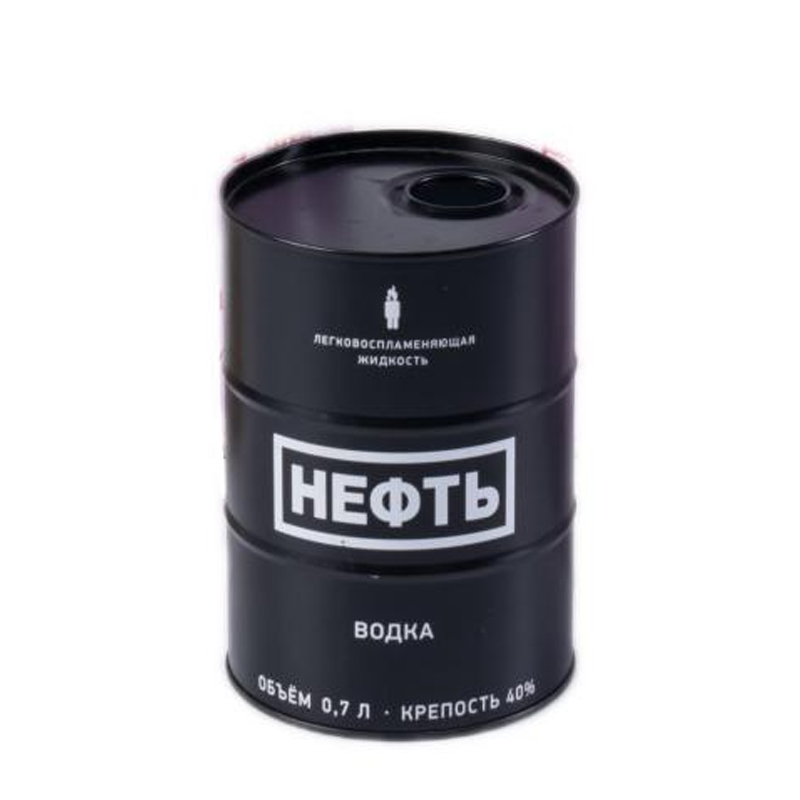 Three-Piece Can Body Steel for Acidic FoodsThis single-color coated tinplate or laminated steel resists corrosion at pH 4.5, making it ideal for tomato-based products. Its precise thickness ensures reliable double-seaming and long shelf life.View Product →
The easy-open end
The score line on an easy-open end is a controlled weakening of the metal. Score it too deeply and the lid develops micro-leaks; score it too shallowly and the consumer cannot open the can. Dried-food EOE stock is manufactured to tight tolerances specifically to avoid micro-perforations along the score path — an issue that becomes critical only after months of contact with acidic vapour.
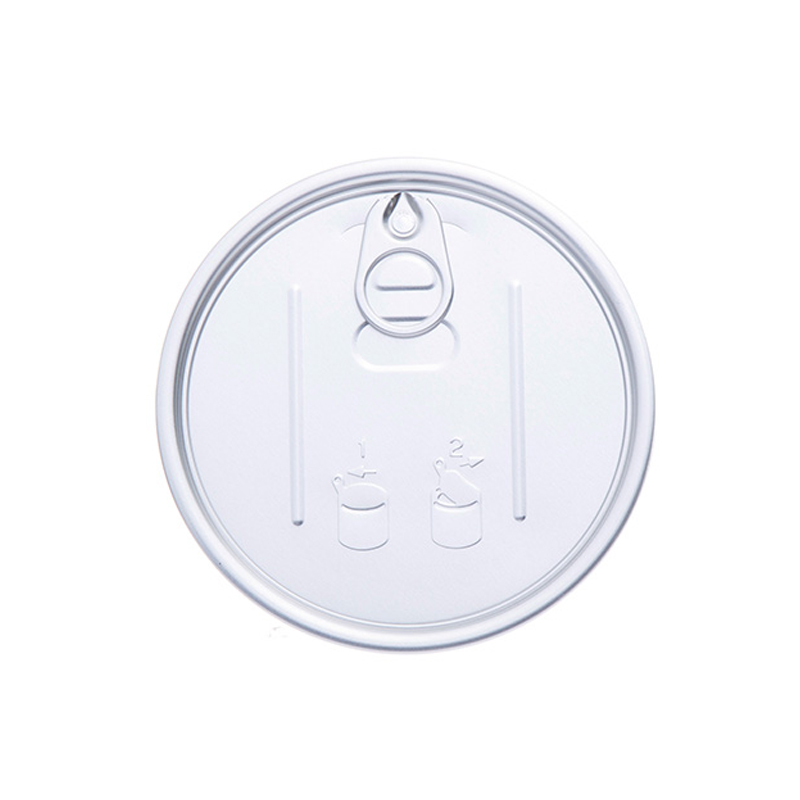 Dried-Food Easy-Open End StockManufactured to tight tolerances, this EOE stock prevents micro-leaks along the score path that can develop after months of acidic vapour exposure. Suitable for snacks, biscuits, and milk powder.View Product →
The bottom end
The bottom end completes the container. Round bottom ends are stamped from pre-coated steel, then fitted with a sealing compound that flows into the double seam during closing. Any defect in the curl or compound application breaks the seal — and a broken seal is all a botulism spore needs to find its way in.
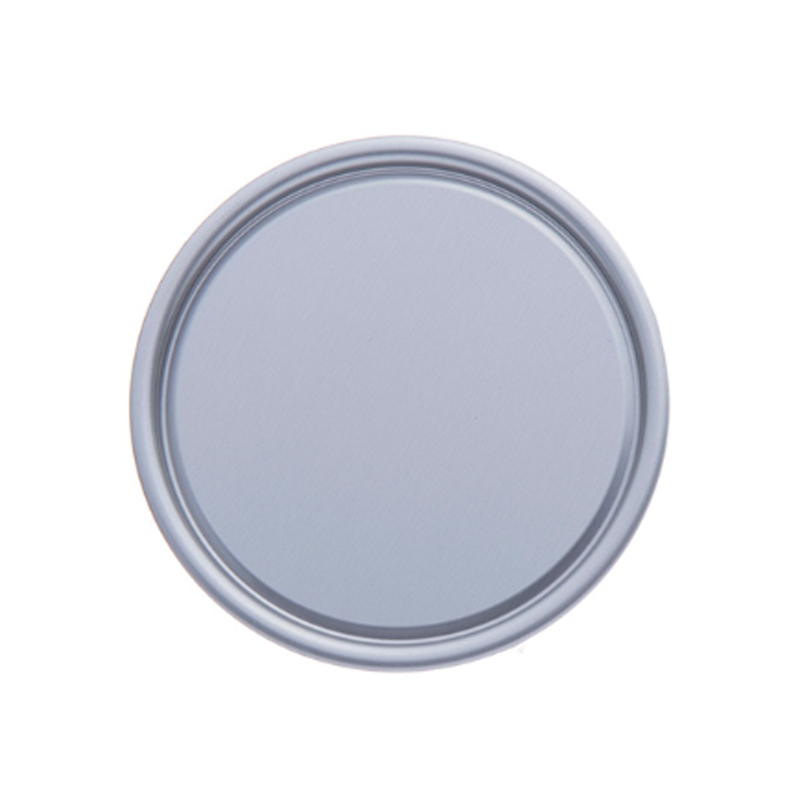 Round Bottom End for Food CansAvailable in tinplate, TFS, laminated steel, or aluminum, this bottom end features a sealing compound that ensures airtight closure. Customizable coating provides rust and acid resistance for various foods.View Product →
The critical control at production level is not any single component, but the consistency of coating weight, seam dimensions, and curing temperature. Batch-by-batch quality control exists because a single defective end can contaminate an entire pallet.
Practical Rules for Buyers, Cooks, and Home Canners
For consumers, the margin between a safe jar and a dangerous one is wide — but only if you respect the warning signs instead of tasting your way through them.
For purchased sauce
- Inspect the can before opening: no bulging ends, no rust, no deep dents — especially on the rims where the double seam sits.
- If the lid hisses or sprays when you open it, discard the jar without tasting.
- When in doubt, boil the sauce for 10 minutes before serving. This inactivates botulinum toxin even if the seal has failed.
For home canning
Prevention begins at the workbench. These four steps come from decades of extension-office guidance and recall investigations:
- Use a tested recipe — not a family recipe from memory — and do not reduce the acid called for.
- Add bottled lemon juice or citric acid to every jar; 1 tablespoon of lemon juice per half-litre jar is a typical baseline for tomatoes.
- Process in a boiling-water bath only if the final pH is below 4.6; otherwise use a pressure canner for low-acid sauces.
- Never reuse metal lids, never overfill, and wipe the jar rim clean before sealing so the compound can seat properly.
A jar that shows no visible spoilage signs but was processed outside these parameters should still be boiled before consumption. The toxin is heat-sensitive; the spores are not — which is why processed food must be stored in a container that never lets new microorganisms in.
Botulism in tomato sauce is a well-understood problem with an equally well-understood set of solutions. The science has been settled for decades: keep the pH below 4.6, apply sufficient heat, and protect the hermetic seal from packaging failure.
Whether you are opening a can in your kitchen, boiling down a home batch, or specifying materials for a food-grade production line, those three control points are the difference between a routine meal and a recall notice. When the metal is correctly coated, the seams are intact, and the acidity is verified, tomato sauce can sit on a shelf for years without giving Clostridium botulinum a way in.

- Address: No. 11 Zhenxing Road, Hangzhou Bay Shangyu Economic and Technological Development Area, Zhejiang, China
- Phone: +86-137 5814 2106 / +86-130 1771 8906
- TEL: +86-575-8272 2388 / +86-575-8272 2366
- E-mail: sales@hz-jinma.com

 sales@hz-jinma.com
