
 English
 中文简体
中文简体
Ring Tab Material Manufacturer
Material: Galvanized steel, Aluminum
Customization: Printing, coating, thickness, hardness, size, etc.
Design: Customized
Content adaptation performance: Rust resistance, corrosion resistance
Application: Suitable for various metal packaging materials for daily chemical and industrial use.
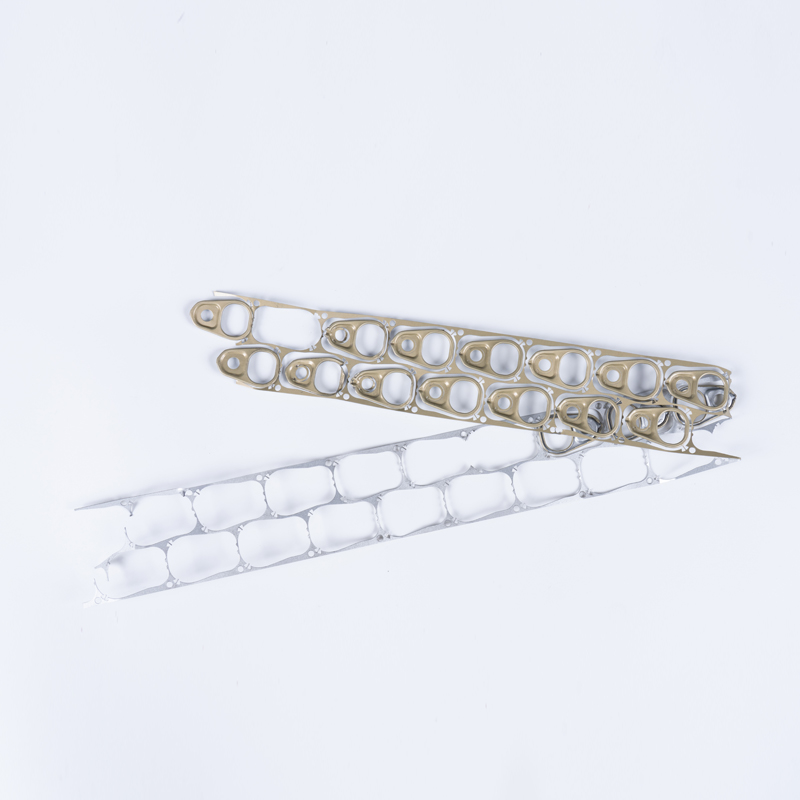
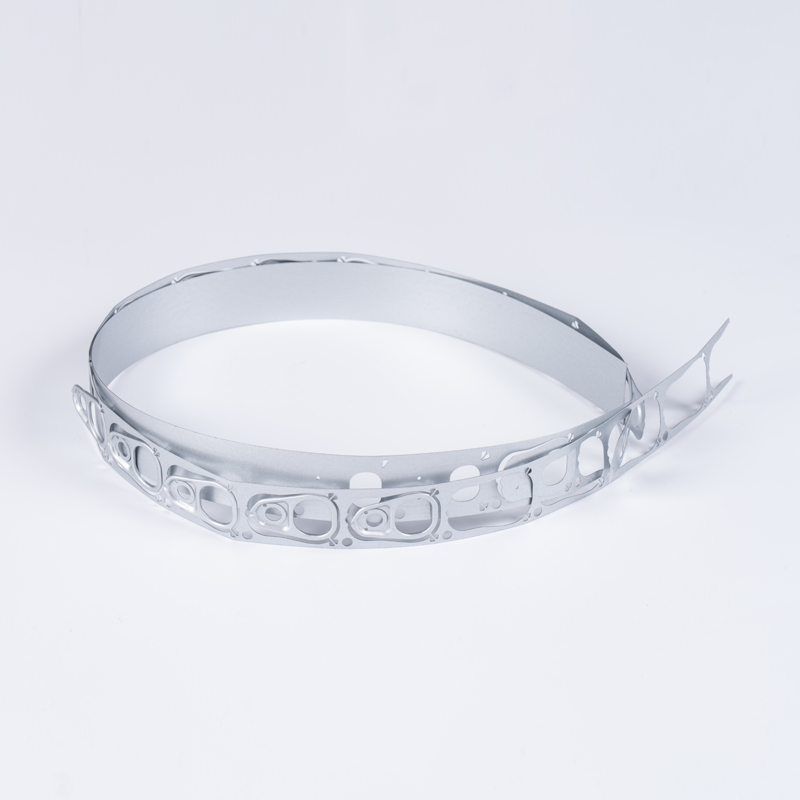
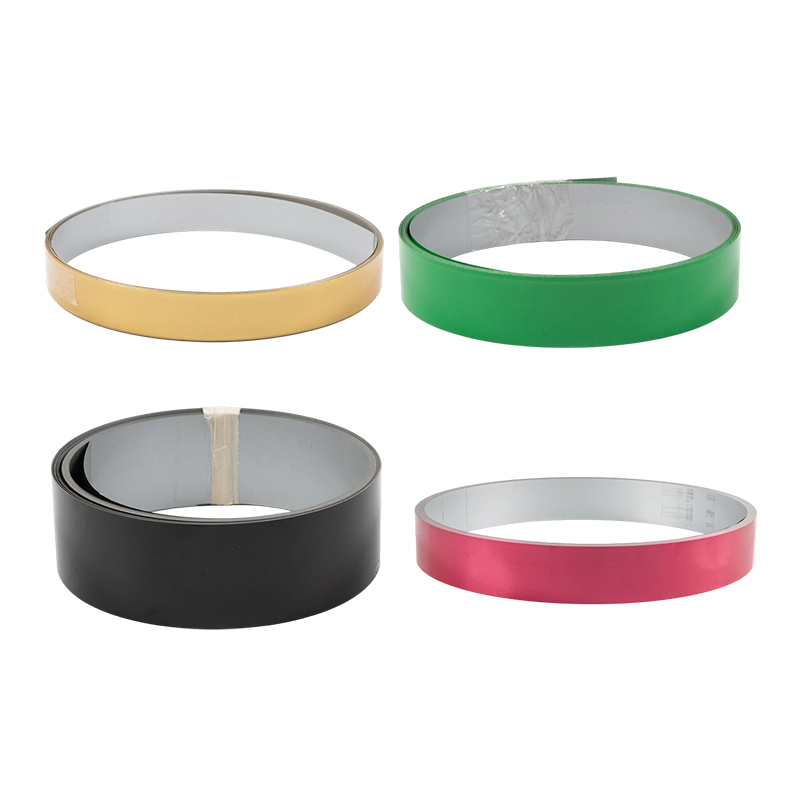

Ring Tab Stock Industry knowledge
What Is Ring Tab Stock?
Ring tab stock refers to the specialized metal strip material used to manufacture the pull tabs on beverage and food cans. Typically produced from galvanized steel coil/strip or aluminum coil/strip, this material undergoes precision rolling and surface treatment to meet strict dimensional tolerances and mechanical performance standards. As a critical upstream input in metal packaging, ring tab stock directly affects the opening experience, safety, and shelf life of the final product.
Zhejiang Jinma Packing Materials Co., Ltd., founded in 1993, has accumulated over 30 years of expertise in producing high-quality ring tab stock and related metal packaging materials, serving customers across domestic and international markets from its base in Hangzhou Bay National Industrial Park, Zhejiang.
Key Advantages of Galvanized and Aluminum Coil/Strip for Ring Tab Stock
- Superior corrosion resistance: Galvanized coil/strip provides a zinc-coating layer (typically 60–275 g/m²) that protects against oxidation, ensuring tab integrity even in humid storage environments.
- Lightweight with high strength: Aluminum coil/strip offers a density of only 2.7 g/cm³ while maintaining tensile strength above 100 MPa, reducing overall can weight without sacrificing performance.
- Excellent formability: Both galvanized and aluminum strip materials support precise stamping and deep-drawing processes, enabling consistent tab shapes at high production speeds.
- Food-grade compliance: Surface coatings meet international food safety standards, making these materials suitable for beverage, beer, and food packaging applications.
- Cost efficiency: Galvanized strip offers a cost-effective alternative to pure aluminum in applications where magnetic properties or heavier gauge is acceptable.
How Ring Tab Stock Is Produced: The Process Explained
The manufacturing of ring tab stock from galvanized or aluminum coil/strip involves several controlled steps:
- Raw material selection: High-purity aluminum alloy or low-carbon steel substrate is sourced and inspected for chemical composition and surface quality.
- Rolling & slitting: The coil is precision-rolled to target thickness (commonly 0.20–0.35 mm for tab stock) and slit into strips matching the required width.
- Surface treatment: Galvanized strip undergoes hot-dip or electro-galvanizing; aluminum strip receives anodizing or lacquer coating for protection and adhesion.
- Quality inspection: Mechanical properties (yield strength, elongation), coating weight, and dimensional accuracy are verified against specifications before shipment.
- Coil packaging: Finished ring tab stock is wound into coils and packaged to prevent moisture and mechanical damage during transport.
Jinma Packing operates 30+ high-end production lines within 40,000 m² of clean workshops, ensuring consistent output quality from raw material to finished coil.
Galvanized vs. Aluminum Coil/Strip: A Comparison for Ring Tab Applications
| Property | Galvanized Steel Coil/Strip | Aluminum Coil/Strip |
|---|---|---|
| Density | ~7.8 g/cm³ | ~2.7 g/cm³ |
| Corrosion Resistance | Good (zinc coating) | Excellent (natural oxide layer) |
| Cost | Lower | Higher |
| Recyclability | High | Very High |
| Typical Use | Food cans, general packaging | Beverage cans, premium packaging |
Key Quality Parameters to Evaluate When Sourcing Ring Tab Stock
Selecting the right ring tab stock requires a thorough understanding of material specifications. Buyers should focus on the following critical parameters to avoid costly production downtime or product recalls:
- Thickness tolerance: Consistent thickness is essential for reliable stamping. Acceptable deviation is typically ±0.005 mm for precision tab applications.
- Surface cleanliness: Oil residue, oxidation spots, or surface defects can cause adhesion failures in downstream lacquering or printing. Coil surfaces should be free of visible contamination.
- Mechanical properties: Yield strength, tensile strength, and elongation values must fall within the grade specification — for example, AA5182 aluminum alloy commonly used in tab stock has a tensile strength of approximately 270–310 MPa.
- Coating weight uniformity: For galvanized strip, even zinc distribution across the coil width prevents localized corrosion. Standard coating weights are verified by triple-spot test per international norms.
- Coil inner diameter and weight: Standard coil IDs of 508 mm or 610 mm ensure compatibility with most stamping line uncoilers. Coil weight typically ranges from 2 to 8 metric tons depending on order requirements.
Working with a manufacturer that has robust in-house testing capabilities — including spectrometer analysis, tensile testing, and coating weight measurement — significantly reduces the risk of receiving out-of-spec material. Jinma Packing's clean workshops and multi-stage QC process reflect this commitment to delivering verified, consistent ring tab stock.
Applications and Industry Demand for Ring Tab Stock
Ring tab stock made from galvanized or aluminum coil/strip serves a broad range of end-use markets. Understanding the application landscape helps buyers identify the right material grade and surface finish for their specific needs.
Beverage Cans
Aluminum coil/strip dominates this segment due to its low weight, recyclability, and compatibility with carbonated beverages. Global aluminum can production exceeds 300 billion units annually, creating sustained demand for high-quality tab stock worldwide.
Food Cans and General Metal Packaging
Galvanized steel coil/strip is widely used for food-can tabs and easy-open ends where higher rigidity and lower cost are prioritized. Products such as canned vegetables, seafood, and pet food rely on galvanized tab stock for reliable sealing and consumer-friendly opening.
Industrial and Specialty Packaging
Beyond consumer packaging, ring tab stock also finds application in aerosol cans, chemical containers, and pharmaceutical tins. These sectors demand materials that can withstand pressure differentials and chemical exposure, placing even higher requirements on coating integrity and material purity.
With its location adjacent to Shanghai Port and Ningbo Port, Jinma Packing is well-positioned to serve international buyers across Asia, Europe, and the Americas with efficient, cost-effective logistics solutions.
Frequently Asked Questions
Q1: What thickness of ring tab stock is standard for beverage can tabs?
The most common thickness range for ring tab stock used in beverage applications is 0.20–0.28 mm for aluminum strip, while galvanized strip for food-can tabs may range from 0.25–0.35 mm. Exact specifications depend on stamping equipment and end-product requirements.
Q2: Can ring tab stock meet international food safety certifications?
Yes. Quality ring tab stock from galvanized or aluminum coil/strip is produced in compliance with food-contact material standards such as GB 4806 (China), EU Regulation 10/2011, and FDA guidelines. Suppliers like Jinma Packing implement strict in-process quality controls to ensure compliance throughout production.
Q3: What is the minimum order quantity (MOQ) for ring tab stock coils?
MOQ varies by supplier and specification. Typically, orders start from 5–10 metric tons per coil specification. Manufacturers with large-scale production capacity, such as those operating 30+ lines, can accommodate both standard volume orders and customized small-batch requirements with shorter lead times.

- Address: No. 11 Zhenxing Road, Hangzhou Bay Shangyu Economic and Technological Development Area, Zhejiang, China
- Phone: +86-137 5814 2106 / +86-130 1771 8906
- TEL: +86-575-8272 2388 / +86-575-8272 2366
- E-mail: sales@hz-jinma.com

 sales@hz-jinma.com
