
 English
 中文简体
中文简体
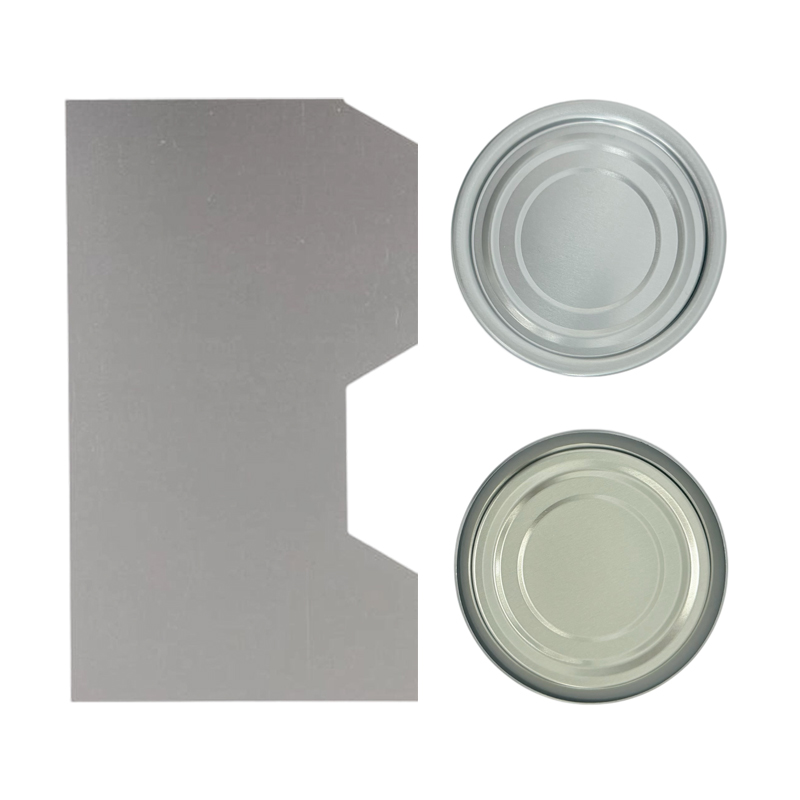
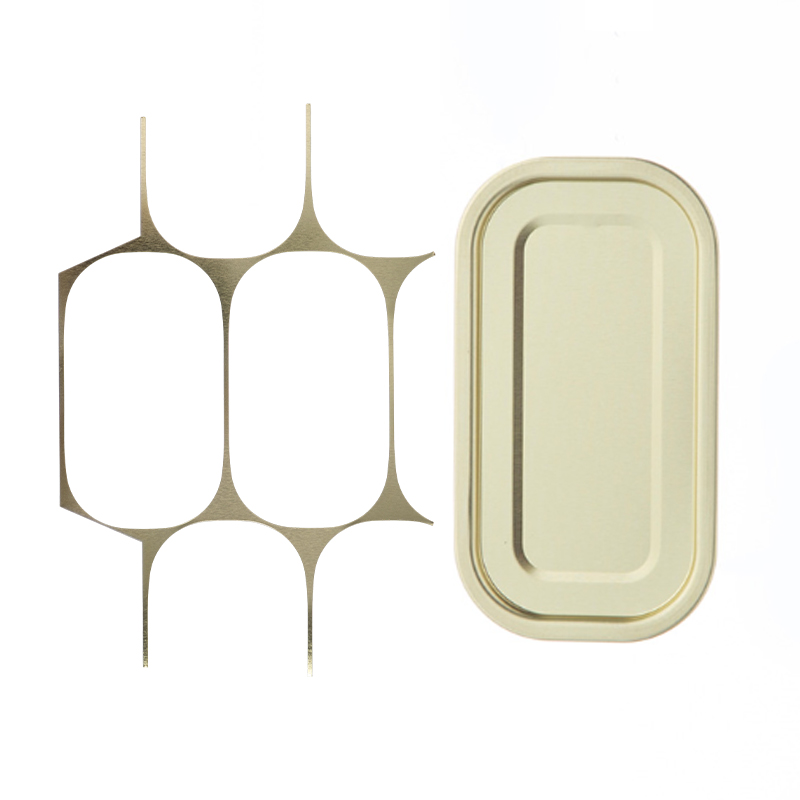
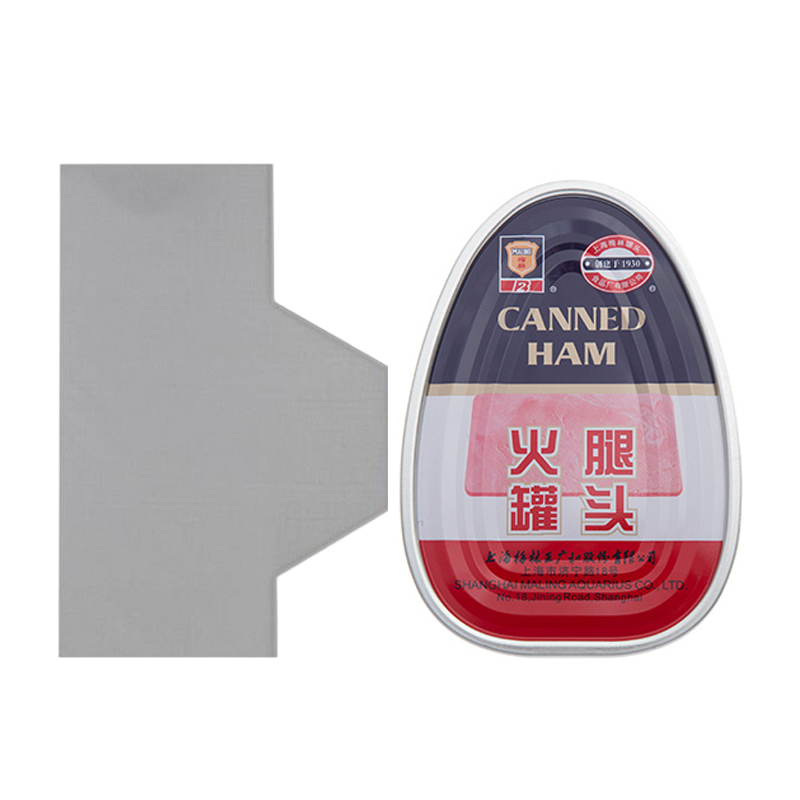
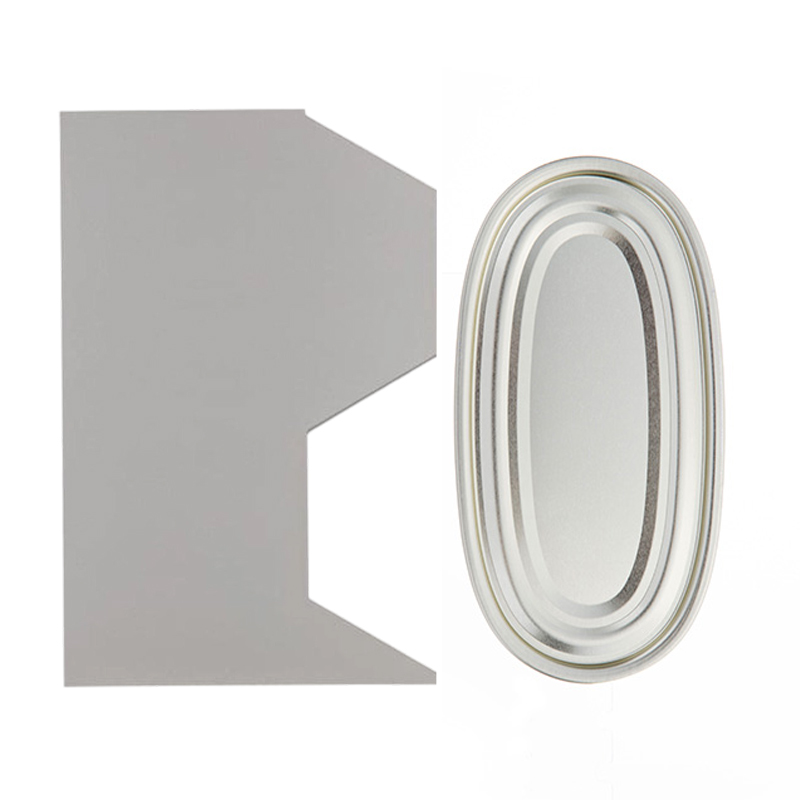
Custom Food Can Bottom End Materials Manufacturer
Material: ETP, TFS, Aluminum
Customization: Printing, coating, thickness, hardness, size, etc.
Design: Customized
Content adaptation performance: Rust resistance, alkali resistance, acid resistance, sulfur resistance, salt resistance, easy demolding, BPA-free.
Application: Suitable for various food can bottom ends, including fish, meat, vegetables, fruits, etc.
Food Can Bottom End Stock Industry knowledge
What Is Food Can Bottom End Stock and Why It Matters
Food Can Bottom End Stock refers to the pre-cut or pre-formed metal sheet material used to manufacture the bottom ends (bases) of food cans. It is typically made from Tinplate, TFS (Tin-Free Steel), or Aluminum sheet, and must meet strict mechanical, chemical, and coating standards to ensure food safety, pressure resistance, and long shelf life.
As global demand for canned food continues to rise, the quality of Food Can Bottom End Stock directly impacts production efficiency and product integrity. Whether paired with single-color printing on iron or multi-color printing on iron, the base material's consistency determines the final can's performance. Zhejiang Jinma Packing Materials Co., Ltd., with over 30 years of expertise in metal packaging, has developed Food Can Bottom End Stock solutions that set industry benchmarks.
Key Advantages of High-Quality Food Can Bottom End Stock
- Superior Sealing Performance: Precision-rolled Tinplate/TFS/Aluminum sheet maintains dimensional tolerance within ±0.01 mm, ensuring airtight double-seam closure on automated filling lines.
- Corrosion Resistance: Laminating Tinplate/Aluminum sheet with food-grade lacquer or polymer film creates a barrier against acidic contents (pH as low as 3.5), extending shelf life to 3–5 years.
- Printing Compatibility: Smooth, uniform surfaces accept both single-color printing on iron and multi-color printing on iron with registration accuracy of ±0.1 mm, enabling vivid branding directly on the end stock.
- Lightweight Yet Strong: Aluminum sheet variants reduce can weight by up to 30% versus standard steel, lowering transport costs without sacrificing structural integrity.
- Sustainability: Tinplate and Aluminum sheet are 100% recyclable, supporting circular economy goals and meeting increasingly strict EU and North American packaging regulations.
How Food Can Bottom End Stock Is Produced: A Step-by-Step Overview
Understanding the production process helps buyers evaluate material quality and select the right substrate for their application.
- Raw Material Selection: Base coil (Tinplate, TFS, or Aluminum sheet) is sourced and tested for thickness (typically 0.15–0.35 mm), hardness (T1–T5 temper), and tin coating weight.
- Surface Treatment & Laminating: Laminating Tinplate/Aluminum sheet with polymer film or applying liquid lacquer to both sides provides chemical resistance. Film lamination speeds exceed 200 m/min on modern lines.
- Printing: Single-color printing on iron covers basic brand identification; multi-color printing on iron (up to 6 colors via UV offset) delivers photographic-quality graphics for premium shelf appeal.
- Slitting & Blanking: Printed and coated coils are slit to exact widths and blanked into circular sheets ready for stamping into bottom ends.
- Quality Inspection: Automated vision systems check for pinholes, coating defects, and print misregistration before the stock ships to can-making facilities.
Comparing Substrate Options: Tinplate vs. TFS vs. Aluminum Sheet
| Property | Tinplate | TFS (Tin-Free Steel) | Aluminum Sheet |
|---|---|---|---|
| Corrosion Resistance | High | Medium (requires lacquer) | Very High |
| Weight | Medium | Medium | Light (30% less) |
| Print Quality | Excellent | Excellent | Good |
| Cost | Medium | Lower | Higher |
| Recyclability | 100% | 100% | 100% |
For acidic foods such as tomatoes or fruit, Laminating Tinplate/Aluminum sheet with an epoxy or PET film is strongly recommended to prevent flavor contamination and maintain FDA/EU food-contact compliance.
Printing on Metal: Single-Color vs. Multi-Color Solutions
Single-Color Printing on Iron
Single-color printing on iron is the economical choice for industrial or private-label cans where branding requirements are minimal. Ink adhesion on properly pre-treated Tinplate/TFS surfaces exceeds 95% cross-cut adhesion (ISO 2409), ensuring durability through retorting at 121°C.
Multi-Color Printing on Iron
Multi-color printing on iron unlocks full creative potential for consumer-facing products. With up to 6-color UV offset printing, manufacturers can replicate CMYK photography, Pantone spot colors, and metallic effects directly onto Food Can Bottom End Stock before forming—eliminating the need for paper labels and reducing packaging steps.
Frequently Asked Questions
Q1: What thickness of Tinplate/TFS/Aluminum sheet is standard for food can bottom ends?
The most common range is 0.18–0.28 mm for standard 73–99 mm diameter ends. Thicker gauges (up to 0.35 mm) are used for high-pressure applications such as sterilized meat or fish cans, while thinner gauges (down to 0.15 mm) suit small-diameter easy-open ends for non-pressurized products.
Q2: Is Laminating Tinplate/Aluminum sheet safer than liquid lacquer coating for food contact?
Both methods are food-safe when properly applied. Laminating Tinplate/Aluminum sheet with PET or PP film offers more uniform barrier thickness and eliminates solvent emissions during production, making it increasingly preferred for BPA-free and eco-conscious supply chains. Liquid lacquer still dominates where complex forming depths are required.
Q3: Can multi-color printing on iron be applied before or after forming the bottom end?
Printing is always performed on flat sheet or coil before stamping. Post-forming printing is not technically feasible for metal ends. This means artwork must account for the material stretch during forming—typically a 2–4% dimensional compensation—to avoid print distortion in the final end profile.

- Address: No. 11 Zhenxing Road, Hangzhou Bay Shangyu Economic and Technological Development Area, Zhejiang, China
- Phone: +86-137 5814 2106 / +86-130 1771 8906
- TEL: +86-575-8272 2388 / +86-575-8272 2366
- E-mail: sales@hz-jinma.com

 sales@hz-jinma.com
