
 English
 中文简体
中文简体
Can Body Steel Manufacturer
Material: ETP (three-piece can body); TFS, Aluminum (two-piece can body)
Customization: Printing, coating, thickness, hardness, size, etc.
Design: Customized
Content compatibility performance: Rust resistance, alkali resistance, acid resistance, sulfur resistance, salt resistance, easy demolding, BPA-free
Application: Suitable for various food cans, including fish, meat, vegetables, fruits, etc.
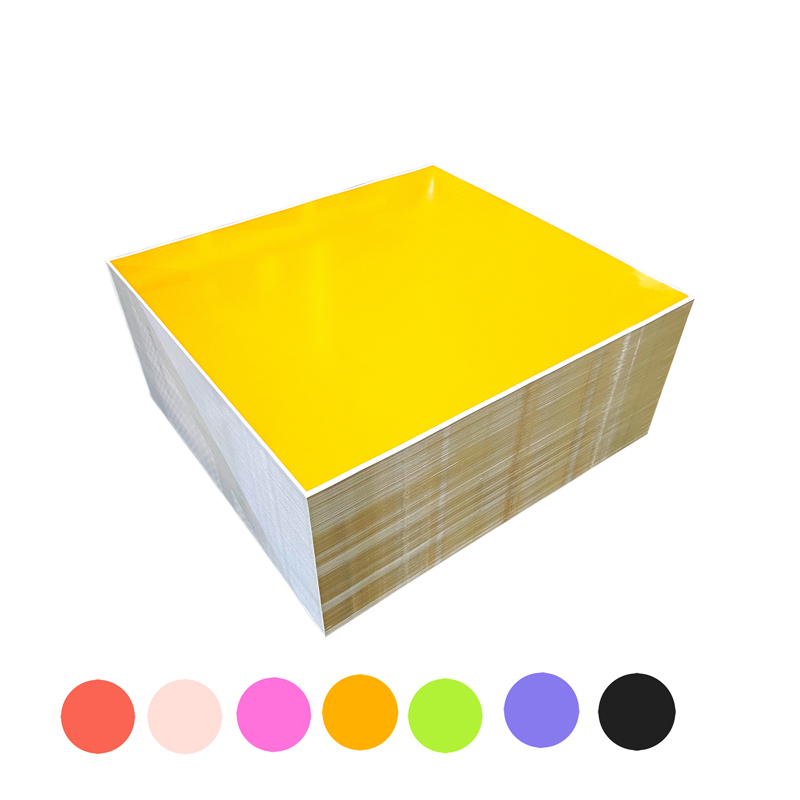
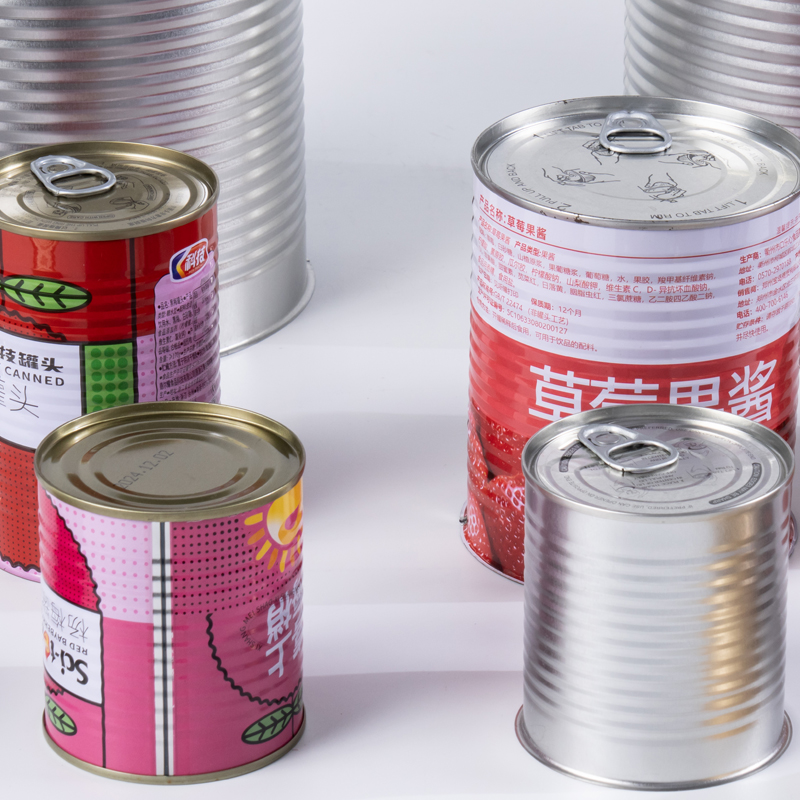
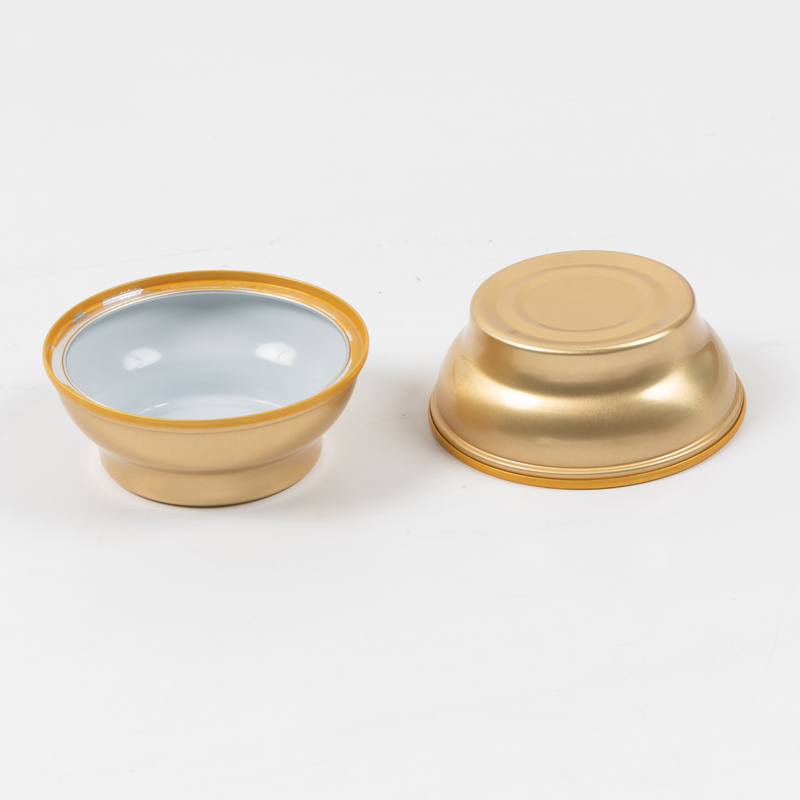
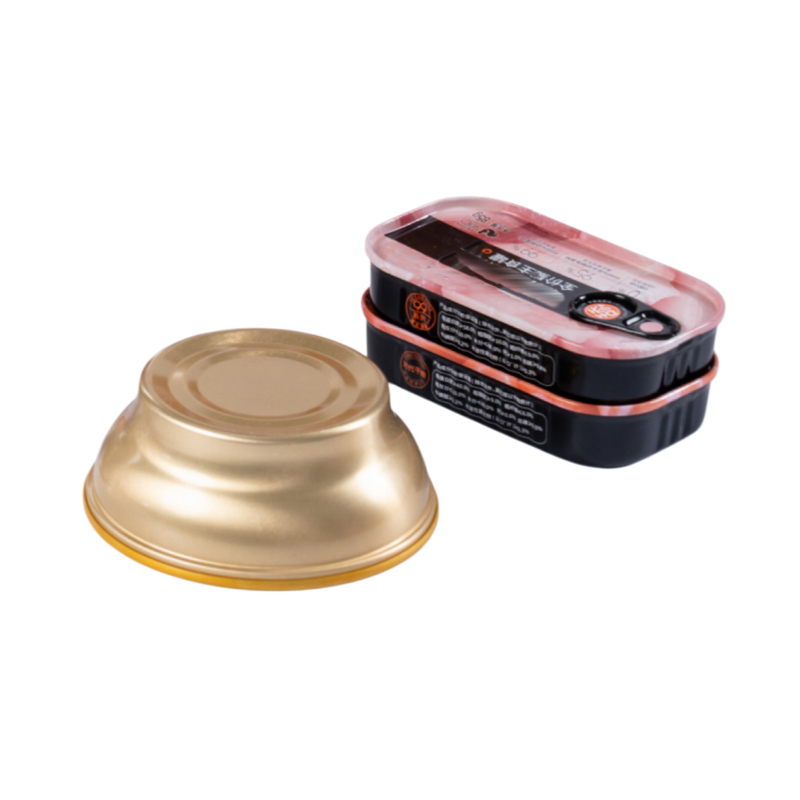
Can Body Steel Industry knowledge
Can body steel is the core raw material in metal packaging production, serving as the structural substrate from which both three-piece and two-piece food cans are formed. The material — primarily electrolytic tinplate (ETP) for welded three-piece cans, and tin-free steel (TFS) or aluminum for drawn two-piece cans — determines the final container's mechanical strength, corrosion resistance, and compatibility with printing and coating processes. Choosing the right can body steel specification, and pairing it with the appropriate surface treatment, is the starting point for producing reliable, food-safe metal packaging at scale.
Key Advantages of Can Body Steel in Metal Packaging
- Broad content compatibility: Properly coated can body steel resists rust, acid, alkali, sulfur, and salt — covering the full spectrum of food types from fish and meat to vegetables and fruit.
- Surface versatility: ETP and TFS substrates accept single-color printing on iron and multi-color printing on iron, as well as laminating tinplate and aluminum sheet, enabling a wide range of decoration and protection options on a single material platform.
- Weldability for three-piece can production: ETP-based can body steel supports high-speed resistance welding to form the welded can body seam, achieving consistent hermetic integrity at production rates exceeding hundreds of cans per minute.
- Customizable specifications: Thickness, hardness grade, and sheet size can be specified to match the forming process — whether roll-forming for three-piece cans or deep drawing for two-piece cans — minimizing material waste and tooling stress.
Surface Treatment Options: From Single-Color to Laminated
Can body steel supports multiple surface treatment and decoration methods, each suited to different production requirements and end-use applications:
Single-Color Printing on Iron
Single-color printing on iron applies one ink layer over a base coat on the tinplate sheet. This approach is cost-efficient for high-volume runs where brand graphics are simple or where the can design relies primarily on label decoration. It is widely used for commodity food cans — tuna, pet food, and vegetable packs — where speed and economy take priority over graphic complexity.
Multi-Color Printing on Iron
Multi-color printing on iron involves applying up to 6 color layers via offset lithography, each individually cured before the next is printed. This process enables photographic-quality graphics directly on the metal surface, eliminating the need for paper labels. For premium food cans and gift tins, multi-color printing delivers shelf impact and brand differentiation that single-color cannot match.
Laminating Tinplate / Aluminum Sheet
Laminating tinplate or aluminum sheet bonds a polymer film — typically PET or PP — directly to the metal surface in place of a liquid coating. Laminated can body steel eliminates solvent-based coating steps, reduces VOC emissions, and delivers uniform barrier performance across the sheet. It is particularly suited for two-piece drawn cans and applications requiring BPA-free interior surfaces.
| Treatment Method | Graphic Capability | Typical Application | Key Advantage |
|---|---|---|---|
| Single-color printing on iron | 1 color layer | Commodity food cans | Low cost, high throughput |
| Multi-color printing on iron | Up to 6 color layers | Premium food, gift tins | Full-surface branding, no label needed |
| Laminating tinplate / aluminum sheet | Film-based, pre-printed options | Two-piece cans, BPA-free formats | Solvent-free, uniform barrier |
From Can Body Steel to Finished Printed or Lacquered Tin Can
The path from raw can body steel to a finished printed or lacquered tin can involves coordinated steps across coating, printing, forming, and welding:
- Sheet preparation and base coat application — a primer or white lacquer is roller-applied and oven-cured to create the printing foundation.
- Single-color or multi-color printing on iron — ink layers are applied by offset press and individually cured at 160–200°C between passes.
- Interior lacquering — a food-grade coating (epoxy, polyester, or organosol) is applied to the sheet interior surface before forming, ensuring the final printed or lacquered tin can meets food-contact safety requirements.
- Can body forming and welding — for three-piece formats, the decorated sheet is roll-formed and the body seam is closed by resistance welding to produce the welded can cylinder.
- End seaming and final inspection — top and bottom ends are seamed onto the welded can body, and the finished printed or lacquered tin can undergoes leak testing and visual audit before packing.
Zhejiang Jinma Packing Materials Co., Ltd., founded in 1993 and operating 30+ high-end production lines across 40,000 square meters of clean workshops in the Hangzhou Bay National Industrial Park, supports this full production chain — from can body steel supply through to finished decorated metal packaging for food applications worldwide.
Frequently Asked Questions
Q1: What is the difference between ETP and TFS can body steel?
ETP (electrolytic tinplate) has a thin tin coating on both surfaces, which provides natural corrosion resistance, solderability, and weldability — making it the standard material for three-piece welded can bodies. TFS (tin-free steel) has a chromium oxide surface treatment instead of tin, offering better paint and lacquer adhesion at lower material cost, and is commonly used for two-piece drawn cans and ends where welding is not required.
Q2: Can multi-color printing on iron achieve the same quality as paper label printing?
Modern multi-color printing on iron using high-resolution offset lithography can reproduce fine detail, photographic images, and consistent Pantone color matching directly on the metal surface. Unlike paper labels, printed tinplate eliminates label adhesive, reduces packaging waste, and withstands retort sterilization without delamination — making it the preferred choice for premium canned food and gift packaging.
Q3: Is laminating tinplate suitable for all food types?
Laminating tinplate and aluminum sheet with PET or PP film is suitable for a broad range of food products, particularly those requiring BPA-free packaging or where solvent-free manufacturing is a regulatory or market requirement. Compatibility with specific food types — especially highly acidic or fatty products — should be confirmed through product-specific migration and adhesion testing before full production commitment.

- Address: No. 11 Zhenxing Road, Hangzhou Bay Shangyu Economic and Technological Development Area, Zhejiang, China
- Phone: +86-137 5814 2106 / +86-130 1771 8906
- TEL: +86-575-8272 2388 / +86-575-8272 2366
- E-mail: sales@hz-jinma.com

 sales@hz-jinma.com
