
 English
 中文简体
中文简体
Food Can/Packaging Steel Factory
We provide customized services, with design and manufacturing tailored to your specific needs and requirements.
Products Industry knowledge
In modern food packaging, coating and painting materials & equipment play a decisive role in determining the safety, shelf life, and visual appeal of metal containers. For printed or lacquered tin cans used in food packaging, the coating system is not decorative alone — it is the primary barrier between the metal substrate and the food product inside. Selecting the right coating chemistry, applying it with precision equipment, and validating compliance with food-contact regulations are the three pillars of a reliable metal packaging operation.
Key Advantages of Coating and Painting in Food Tin Can Packaging
Applying internal and external coatings to tin cans used in food packaging delivers measurable performance benefits across the entire product lifecycle:
- Corrosion resistance: Internal lacquer coatings prevent electrochemical reactions between acidic or saline food contents and the metal wall, extending shelf life to 2–5 years for most canned food products.
- Food safety compliance: Certified food-grade coatings eliminate metal ion migration into food, meeting FDA, EU Regulation No. 10/2011, and GB standards for food-contact materials.
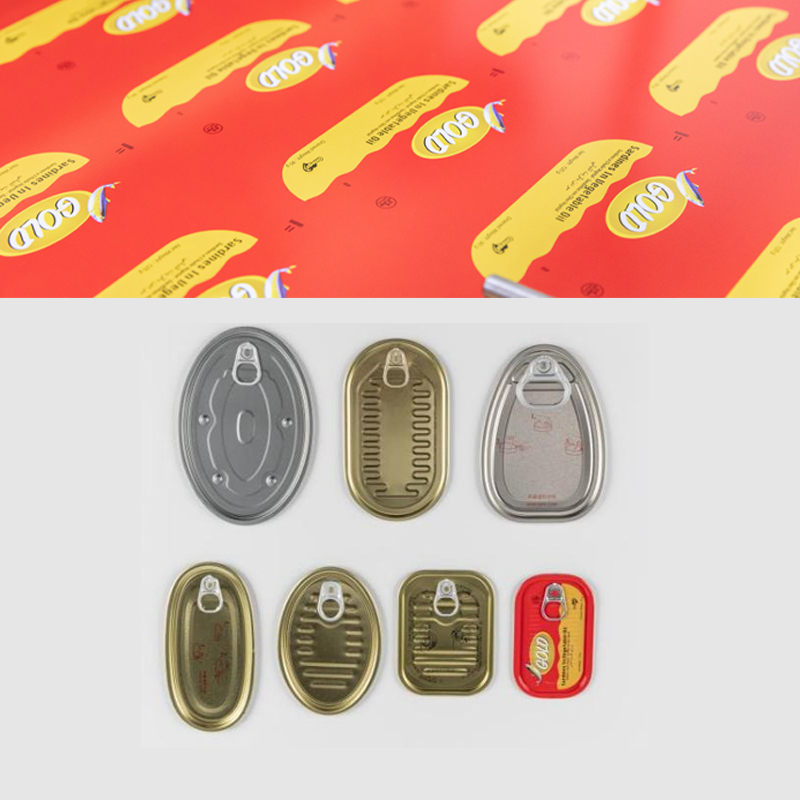
- Print adhesion and visual quality: Exterior painting and lacquering create a stable base for high-resolution lithographic printing, enabling photographic-quality graphics across the full can surface.
- Processing durability: Coatings must withstand retort sterilization at temperatures up to 135°C without adhesion loss, blistering, or chemical breakdown — a critical requirement for thermally processed food cans.
How the Coating and Printing Process Works for Tin Cans
Producing a printed or lacquered tin can for food packaging involves a sequential process where coating, printing, and curing operations are tightly controlled:
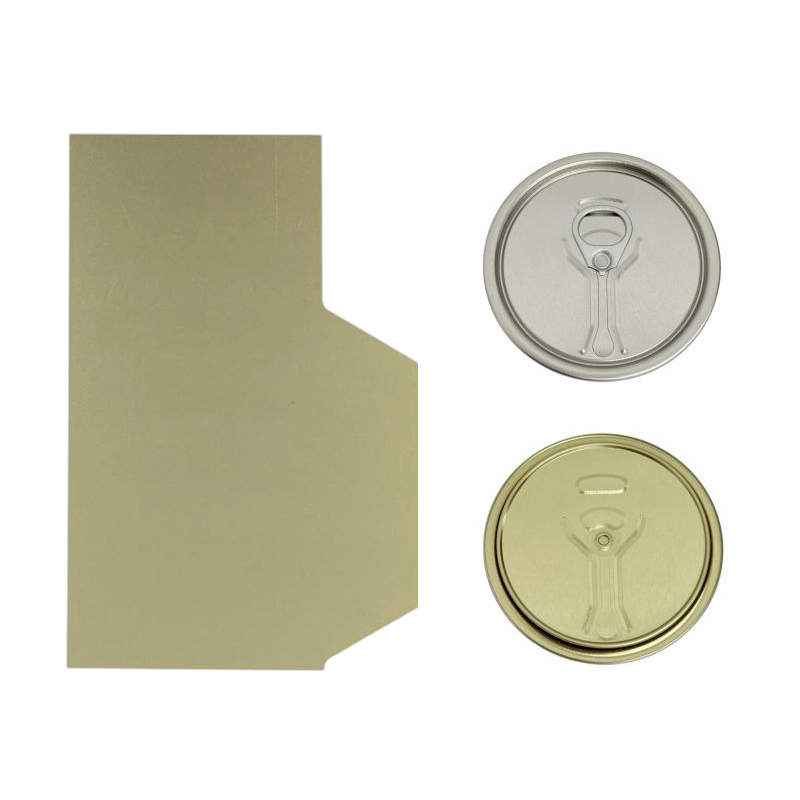
- Surface preparation: Tinplate sheets are cleaned and pre-treated to remove surface oxides and ensure uniform coating adhesion.
- Base coat application: A white or clear base lacquer is roller-applied to the sheet surface using high-speed coating equipment, typically at line speeds exceeding 100 meters per minute.
- Curing: Coated sheets pass through tunnel ovens at controlled temperatures (160–200°C) to cross-link the coating film and achieve full hardness and chemical resistance.
- Lithographic printing: Up to 6 color layers are printed onto the cured base coat using offset printing presses, with each color layer individually cured before the next is applied.
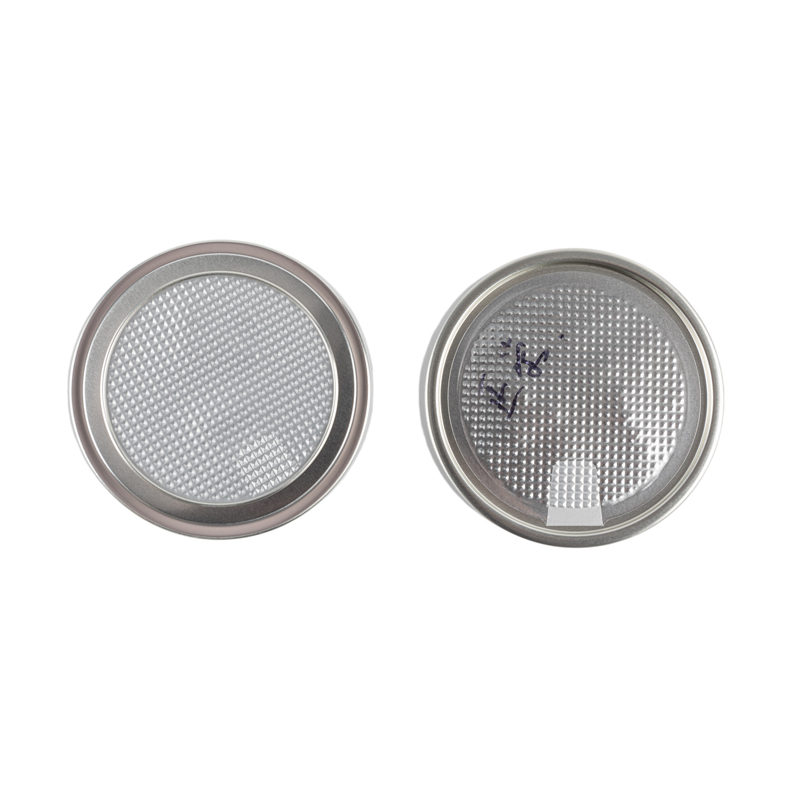
- Interior lacquering: After can forming, the internal surface receives a food-grade lacquer application — epoxy, polyester, or organosol — depending on the food product's acidity and processing conditions.
| Coating Type | Suitable Food Category | Key Property |
|---|---|---|
| Epoxy-based lacquer | Vegetables, meat, fish | High adhesion, retort resistance |
| Polyester lacquer | Beverages, dairy | Flexibility, taste neutrality |
| Organosol lacquer | Highly acidic foods, tomatoes | Acid resistance, barrier integrity |
Zhejiang Jinma Packing Materials Co., Ltd., with over 30 years of expertise in metal packaging and 30+ high-end production lines across 40,000 square meters of clean workshops, applies this full process chain to deliver printed and lacquered tin cans that meet the strictest food safety and aesthetic requirements for global markets.
Frequently Asked Questions
Q1: Are coatings on food tin cans safe for direct food contact?
Yes, when the correct food-grade lacquer is specified and properly cured. Compliant coatings are tested to confirm that migration of coating components into food stays well below regulatory thresholds defined by FDA, EU Regulation No. 10/2011, and equivalent national standards. Selecting a supplier with documented compliance testing is essential.
Q2: What is the difference between a printed and a lacquered tin can?
A printed tin can has multicolor graphics applied directly to the exterior metal surface via lithographic printing, typically over a base coat. A lacquered tin can may refer to a can with a clear or pigmented protective coating on the exterior, the interior, or both — without necessarily carrying printed graphics. In practice, most food tin cans combine both: printed exteriors and lacquered interiors.
Q3: How do I select the right interior coating for my food product?
The primary selection factors are the food's pH level, fat and protein content, processing temperature (especially retort conditions), and intended shelf life. Highly acidic products such as tomatoes or citrus require organosol or specialized epoxy coatings with enhanced acid resistance. Neutral or low-acid products tolerate a broader range of coating types. An experienced metal packaging supplier can recommend the appropriate coating system based on product-specific compatibility testing.

- Address: No. 11 Zhenxing Road, Hangzhou Bay Shangyu Economic and Technological Development Area, Zhejiang, China
- Phone: +86-137 5814 2106 / +86-130 1771 8906
- TEL: +86-575-8272 2388 / +86-575-8272 2366
- E-mail: sales@hz-jinma.com

 sales@hz-jinma.com
